

Further Reading & Crafty Ideas
Recommended books to purchase for practitioners on their forest school journey or for any parents wanting to dig deeper into the benefits of out outdoor learning.
happy reading
The Essential Guide to Forest School and Nature Pedagogy
Authors: Jon Cree & Marina Robb
This is a practical blueprint for setting up and running Forest School. Within you’ll find pedagogy, risk–benefit guidance, lesson planning and lots of assessment tools.
Jon and Marina are two highly respected UK trainers with decades of experience in outdoor learning and education.
👉 Available from Routledge and Amazon.
Affiliation link- https://link.amazon/B0je0Gedt
#ad #commisionearned

The Archimedes Forest Schools Model
Author: Sarah Blackwell
Outlines the structured Archimedes approach — a long-term, child-led model that has trained thousands worldwide. Essential for anyone interested in Forest Schools.
Sarah is the founder of Forest Schools Education and Archimedes Training, and is a pioneer in global Forest School training.
👉 Available at ForestSchools.com and Amazon Kindle. 🌳
Affiliation link - https://link.amazon/B007YtFLd
#ad #commisionearned

The Stick Book
Author: Fiona Danks and Jo Schofield
This activity-packed book provides you with 70 suggestions for things to do with a stick including bushcraft adventures, creative play, woodcraft and conservation, music and more. From building a den to making a magic wand, from a game of 'capture the flag' to creating a sun clock, the possibilities are endless.
👉 Available on Amazon affiliation link - https://link.amazon/B09hiuuPH
#ad #commisionearned

100 Forest School Activities
Authors: Naomi Walmsley & Dan Walmsley
Packed with practical ideas — fire-lighting, shelter building, storytelling and nature art. A brilliant go-to for quick inspiration.
Naomi and Dan are Forest School leaders with years of hands-on experience running sessions.
👉 Available on Amazon
Affiliation link - https://link.amazon/B063xnX3f
#ad #commisionearned

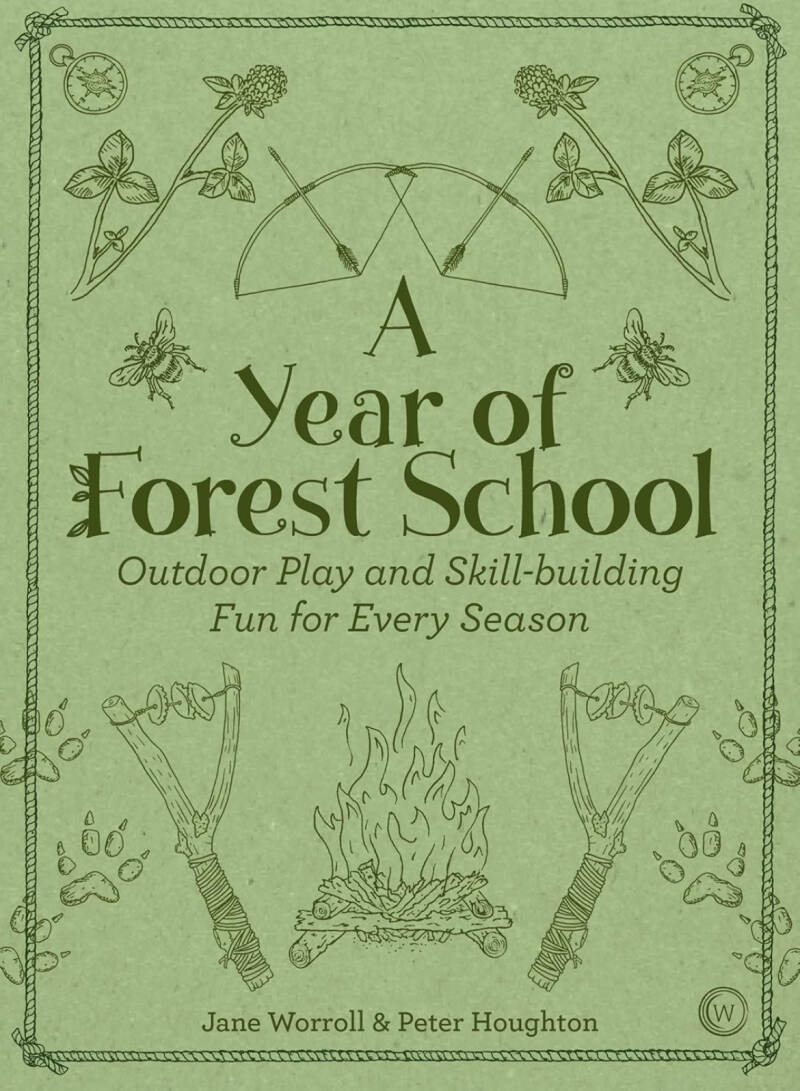
A Year of Forest School
Authors: Jane Worroll & Peter Houghton
A treasure chest of seasonal activities to engage children all year long — from nature crafts to campfire skills. Ideal for parents, teachers and Forest School leaders.
Jane and Peter are certified practitioners who have led countless woodland sessions.
👉 Available on Amazon affiliation link - https://link.amazon/B0f2ulCn1
#ad #commisionearned
Forest school for All
Editor: Sara Knight
Anyone interested in how to implement the Forest School ethos in their learning environment will be enthused and inspired by this book.
Sara Knight is an experienced early years educator and Senior Lecturer at Anglia Ruskin University. She is a trained Forest School practitioner and author of Forest Schools and Outdoor Learning in the Early Years and Risk and Adventure in Early Years Outdoor Play (both published by SAGE).
👉 Available on SAGE and Amazon affiliation link - https://link.amazon/B057EXFgK
#ad #commisionearned

Pop over to my Ko-fi page to read my "The science behind forest school series"
Why Forest School Can Be Transformational for Autistic Children
written by Kirsty Bourhill
For many autistic children, the traditional classroom can be a challenging place to learn. Bright lights, crowded spaces, constant noise, constant transitions, and social expectations can create sensory overload and anxiety. Forest School offers a different approach, one where children can learn, explore, and develop confidence in a natural environment that often feels more regulated, predictable, and accepting.
As awareness of neurodiversity grows, many families and educators are recognising the unique benefits that outdoor learning can offer autistic children, including those who are sensory-seeking and those who present with a PDA (Persistent Drive for Autonomy) profile.
Understanding Sensory Differences in Autism
Autistic children often experience the world differently through their senses. Some may be highly sensitive to sounds, lights, textures, or movement, while others actively seek sensory input through climbing, spinning, jumping, touching, or exploring their environment. Sensory differences are now recognised as a core characteristic of autism and can have a significant impact on learning, wellbeing, and participation.
Many indoor environments contain sensory demands that children cannot easily control such as fluorescent lighting, echoing classrooms, crowded corridors, strong smells, and constant background noise. These can quickly lead to overwhelm and dysregulation. This was a personal experience with my own son.
In contrast, natural environments typically provide sensory experiences that are richer but less intense. The sounds of birdsong, rustling leaves, flowing water, and wind tend to be more predictable and less intrusive than the sensory input found indoors. Research exploring autistic people’s experiences of nature has found that many describe outdoor spaces as restorative, calming, and supportive of sensory regulation.
Why Forest School Works for Sensory-Seeking Children
Sensory-seeking children often need opportunities for movement, proprioceptive input (body awareness), vestibular experiences (balance and movement), and tactile exploration.
Forest School naturally provides these opportunities:
- Climbing trees and balancing on logs
- Digging, lifting, carrying, and building
- Swinging, rolling, and exploring uneven terrain
- Handling natural materials such as mud, leaves, sticks, and stones
- Engaging in risky play within supported boundaries
These activities provide meaningful sensory input without the need for children to suppress their natural instincts. Rather than being told to sit still or stop fidgeting, children are encouraged to move, explore, and learn through their bodies.
The result is often improved regulation, concentration, confidence, and engagement. Many children who struggle to remain settled in a classroom demonstrate remarkable focus when immersed in purposeful outdoor activities.
Supporting Children with a PDA Profile
Children with a PDA profile of autism often experience an intense need for autonomy and may find direct demands highly anxiety-provoking. While PDA remains an evolving area of understanding and terminology, many families and practitioners recognise that these children often thrive when relationships, flexibility, and collaboration are prioritised over compliance.
Forest School philosophy aligns naturally with many of the approaches recommended for supporting PDA learners.
Key features include:
Choice and Autonomy
Rather than a rigid timetable, Forest School sessions typically offer invitations to participate. Children can choose activities, follow their interests, and engage at their own pace.
Relationship-Based Practice
Forest School leaders build trust over time through genuine connection, shared experiences, and respectful communication. This relationship-first approach can reduce anxiety and create a sense of safety.
Reduced Performance Pressure
There are no desks, worksheets, tests, or expectations to perform in a particular way. Children can experience success through exploration, creativity, and problem-solving.
Flexible Learning
Learning emerges through curiosity and play rather than through a series of imposed demands. This flexibility can be particularly beneficial for children who become overwhelmed by expectations and perceived pressure.
For many children with PDA characteristics, the freedom and autonomy offered by Forest School can transform their engagement and enjoyment of learning.
Creating Truly Inclusive Spaces
Inclusion is not simply about allowing children to attend, it is about creating environments where they can genuinely belong.
Forest School offers an inclusive model because it values different ways of learning, communicating, and participating. Children are not expected to fit a narrow definition of success.
A child who communicates through movement can be successful. A child who prefers solitary exploration can be successful. A child who learns through hands-on experiences can be successful. A child who needs regular sensory breaks can be successful.
The natural environment provides multiple ways to engage, reducing barriers that may exist in more traditional educational settings. Research into nature-based learning for autistic children suggests benefits including improved emotional wellbeing, increased engagement, reduced stress, and positive behavioural outcomes.
Beyond Autism: Benefits for Everyone
One of the greatest strengths of Forest School is that strategies which support autistic children often benefit all children.
Flexible learning opportunities, sensory-aware environments, movement-rich experiences, strong relationships, and child-led exploration create conditions where every learner can thrive.
This reflects the principles of inclusive education, when we design environments that meet diverse needs, everybody benefits.
Final Thoughts
Every autistic child is unique. Some may find nature calming and restorative, while others may need support to navigate aspects of the outdoor environment. However, Forest School offers something that many traditional settings struggle to provide, space to be yourself.
For sensory-seeking children, it offers opportunities for meaningful movement and exploration.
For children with a PDA profile, it offers autonomy, flexibility, and relationship-based learning.
For all children, it creates a culture of acceptance, belonging, and inclusion.
Our social and academic systems are broken, they often asks children to adapt to their environment, Forest School invites the environment to adapt to the child.
Further Reading and References
Professional Organisations
- National Autistic Society – Autism and Sensory Processing
- Autistica – Sensory Differences
- Autism Central – Sensory Differences Guide
Research Articles
- Nature-Based Learning and Autism: A Systematic Review of Autistic Children’s Emotional Health and Behavioural Outcomes (2025)
- Sensory Responsive Environments: Perceived Relationships Between Outdoor Environments and Sensory Sensitivities (2024)
- Autistic Adults’ Sensory Experiences Engaging with Nature (2025)
Why Prioritising Activities Can Undermine Forest School’s Potential.
Written by Kirsty Bourhill
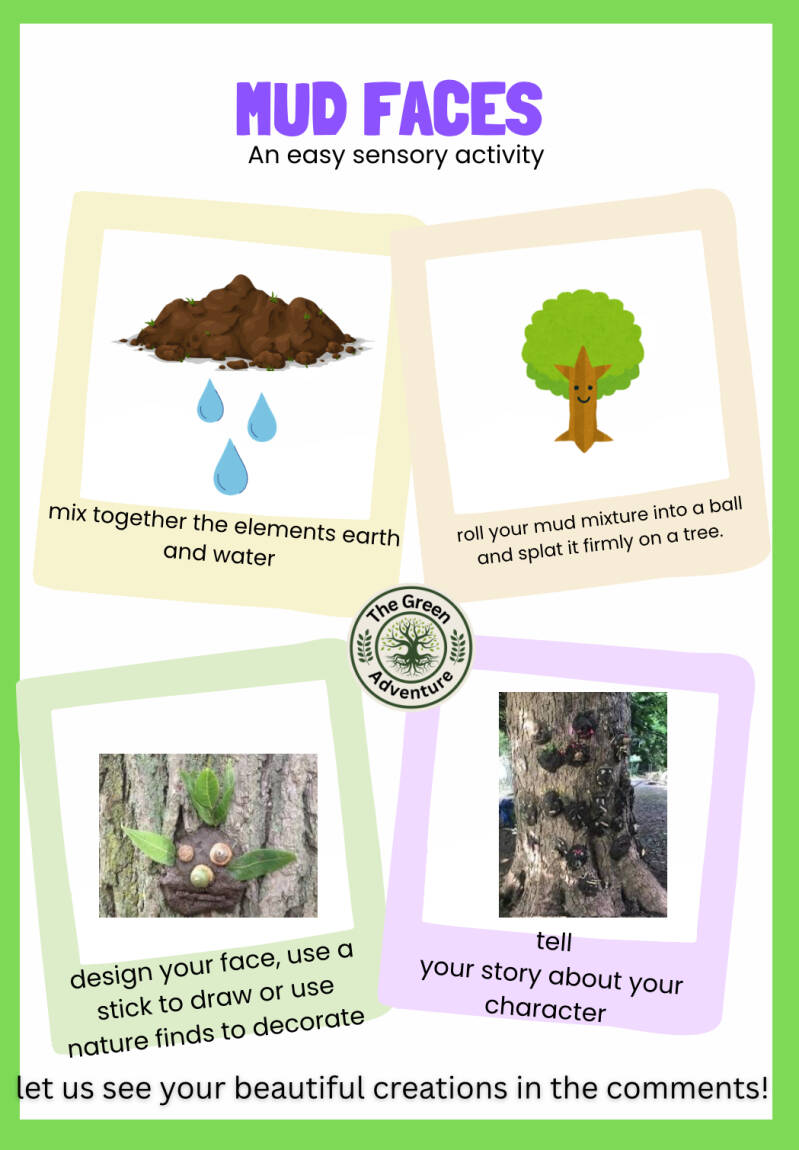
When most people think of Forest School, they imagine children building dens, making fires, crafting mud faces, or weaving with natural materials. And yes, those things often happen but they’re not actually the heart of Forest School.
In fact, when we put too much emphasis on “doing activities,” we risk taking away the very magic that makes Forest School so powerful.
Forest School is about freedom, not checklists.
The beauty of Forest School lies in its child-led approach. Children are given the time and space to follow their curiosity, make their own choices, and discover the world around them in ways that feel meaningful to them.
When sessions are centered around specific activities, it can feel more like ticking boxes - Today we all make bird feeders. Next week we all do leaf art. While these activities can be fun and I do offer them, they shift the focus from freedom to instruction. Instead of exploring, children may feel they “have to” complete the task and that misses the point.
Activities are invitations, not obligations.
Of course, activities aren’t “bad.” They can be brilliant sparks of inspiration. A pile of clay, a length of rope, or a set of tools might get children started, but the key is leaving the outcome open. The mud might turn into a monster face on a tree, or it might become pretend food for a woodland café and both are wonderful!
The trouble comes when adults treat the activity itself as the goal. Forest School works best when activities are just one of many options, not the main event.
What children gain from true Forest School.
When we step back and allow children to lead, we see the real benefits of Forest School shine through, such as :
A stronger connection to nature through hands-on exploration.
Problem-solving skills from following their own ideas.
Confidence and independence by making their own choices.
Creativity that isn’t limited by a set activity or “finished product.”
Social growth through cooperation, negotiation, and shared play.
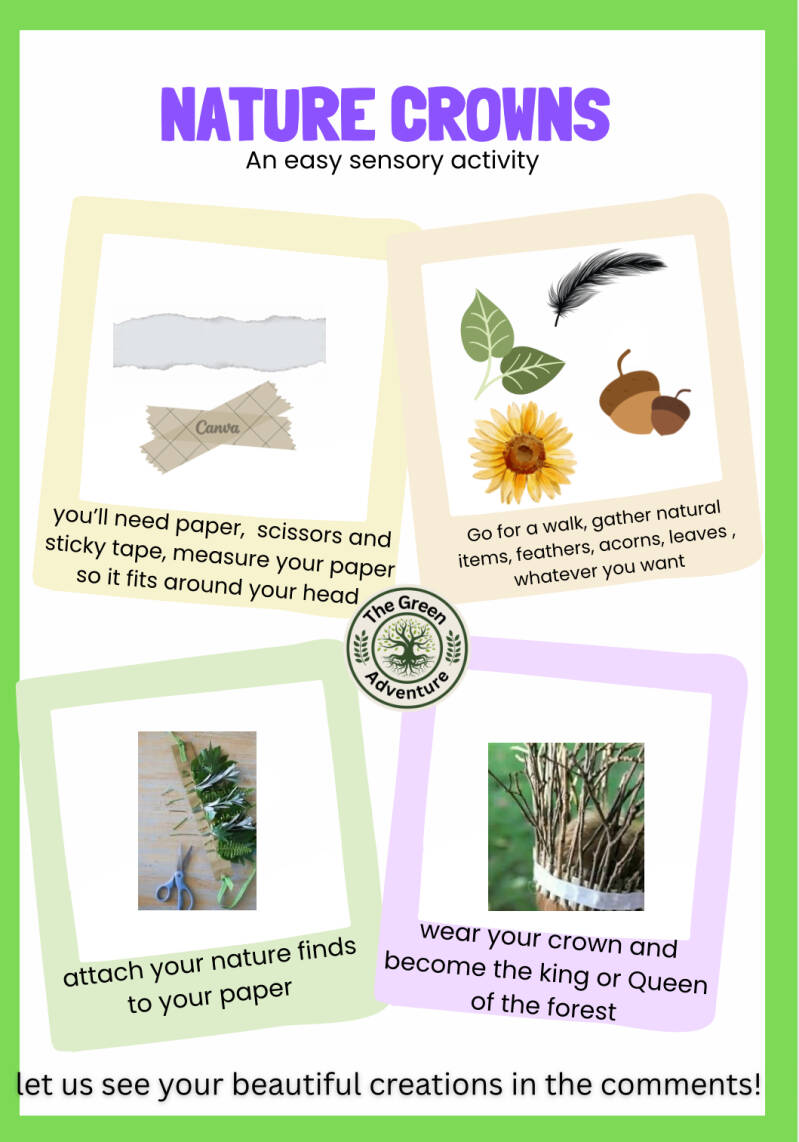
These are skills and qualities that last far longer than the stick wand or leaf crown they might take home.
Let Forest School be what its meant to be.
The real potential of Forest School isn’t found in perfectly completed crafts or well structured lessons. It’s found in muddy knees, curious minds, and the freedom to play and explore. So next time you hear about a Forest School session, don’t ask “What did they make?” Instead, ask “What did they discover?”
Because that’s where the magic really lives 🙏💚🌳
Holistic Wellbeing in Nature
Written by Kirsty Bourhill.
Delve into the benefits of connecting with nature for overall wellbeing. Learn about activities and practices that promote mindfulness, reduce stress, and enhance emotional resilience in both children and adults. Explore resources on creating nurturing environments that foster holistic development.
Wellbeing and the Forest School Ethos
In recent years, the Forest School ethos has gained recognition for its powerful impact on children’s development and wellbeing. More than just outdoor education, Forest School is a holistic approach that nurtures the whole child—physically, emotionally, socially, and mentally—through regular, sustained experiences in natural settings. At the heart of this ethos lies a commitment to wellbeing, creating spaces where children can thrive in ways that traditional classrooms sometimes cannot.
The Forest as a Wellbeing Space
Nature has long been recognised as a healer. Stepping into a woodland environment lowers stress levels, boosts mood, and fosters a sense of calm. For children, the forest becomes a sanctuary: a place where the pressures of academic expectations are replaced with open-ended exploration and play. This freedom encourages curiosity, creativity, and joy—key ingredients for positive mental health.
Building Resilience and Confidence
Forest School sessions are designed around child-led learning. Activities such as climbing, fire-lighting, or building shelters present safe challenges that empower children to test their limits. Every achievement, no matter how small, strengthens self-esteem and builds resilience. Importantly, mistakes are reframed as learning opportunities, helping children develop a growth mindset that supports long-term emotional wellbeing.
Supporting Social Connection
Wellbeing flourishes when individuals feel connected, and Forest School nurtures this through collaboration and community. Group tasks encourage teamwork, empathy, and communication. Around the campfire or while constructing a den, children learn to negotiate, problem-solve, and support one another. These shared experiences build strong social bonds, reducing feelings of isolation and enhancing a sense of belonging.
Mindfulness in Nature
Forest School naturally invites mindfulness. Listening to the rustle of leaves, noticing the intricate patterns of a spider’s web, or simply breathing in fresh air anchors children in the present moment. These sensory-rich experiences help reduce anxiety and increase self-awareness. Many practitioners weave reflective moments into sessions, encouraging children to express gratitude, share feelings, and recognise the calming effect of the natural world.
Physical Wellbeing and Healthy Lifestyles
Climbing trees, balancing on logs, and carrying natural materials all contribute to improved motor skills, coordination, and physical fitness. Unlike structured sports, these activities are accessible to all abilities and foster a positive relationship with movement. Spending extended time outdoors also supports healthier sleep patterns, boosts immune systems, and instills lifelong habits of connecting with nature for wellbeing.
A Holistic Approach
At its core, the Forest School ethos sees wellbeing not as an add-on, but as a central aim. By nurturing the whole child—body, mind, and spirit—it equips learners with tools for lifelong resilience and happiness. In an age where children face growing mental health challenges, Forest School offers a vital reminder: that wellbeing is found in freedom, connection, and the natural world.
Mixed-Age Groups in Forest School: Why They Matter
written by Kirsty Bourhill
At Forest School, children of different ages learn, play, and explore side by side. This mixed-age approach creates a supportive, community-focused environment that reflects how people naturally interact in everyday life.
How We Support Mixed-Age Learning
Open-Ended Activities
We design tasks—like den building, nature art, tool use, and wildlife exploration—that can be enjoyed at different levels. Younger children learn foundational skills while older children stretch their abilities.
Peer Learning and Mentoring
Older learners often take on gentle leadership roles, showing younger children how to try new skills and supporting them in group activities. This builds confidence and connection for everyone.
Clear Boundaries and Safety Routines
Consistent expectations help all children feel safe and empowered. With clear guidance, children can take appropriate risks and explore independently.
Child-Led Exploration
We follow the children’s interests, allowing each learner to move at their own pace. This keeps sessions engaging, inclusive, and meaningful.
The Benefits for Children
- Stronger social and emotional skills such as empathy, patience, and teamwork
- Natural leadership opportunities for older children
- Improved communication and language development across age groups
- A deep sense of community and belonging
- Greater creativity and problem-solving skills, inspired by mixed perspectives
A Learning Community That Grows Together
Mixed-age groups make Forest School a uniquely rich learning experience. By exploring nature together, children build confidence, cooperation, and lifelong friendships—no matter their age.
🌿 Why Play Isn’t Always Happy (and why that matters) 🌿
written by Kirsty Bourhill
Research tells us that children don’t build resilience, confidence, and emotional strength by always feeling comfortable or happy. They develop these skills by working through challenge, conflict, and problem-solving in play, with supportive adults nearby.
When children experience frustration, disagreements, or uncertainty during play, they are learning how to:
• manage big emotions
• negotiate and communicate
• persevere when things feel difficult
• solve problems independently
• recover after setbacks
Studies show that play involving challenge helps children develop self-regulation, resilience, empathy, and confidence – skills they carry with them for life. At Forest School, we see these moments as powerful learning opportunities, not something to rush past or fix.
With time, trust, and gentle guidance, children learn that they can cope – even when play isn’t easy 🌲💚
This approach is supported by a wide body of child development research, including:
• Sandseter, E. (2010; 2014) – Research on risky and challenging play shows that manageable risk and uncertainty help children develop resilience, confidence, and emotional regulation.
• Vygotsky, L. (1978) – Play creates a space where children practice self-control, language, and emotional regulation beyond their current abilities.
• Pellegrini, A. (2009) – Peer conflict during play supports social competence, negotiation skills, and problem-solving.
• Hartup, W. (1992) – Children learn vital social skills through conflict and cooperation with peers, especially when adults support rather than intervene too quickly.
• Center on the Developing Child, Harvard University – Executive function skills (such as impulse control, flexible thinking, and emotional regulation) are strengthened through challenge, persistence, and problem-solving.
• O’Brien & Murray (2007); Knight (2011) – Forest School research highlights improvements in children’s confidence, resilience, emotional wellbeing, and independence through child-led outdoor play.

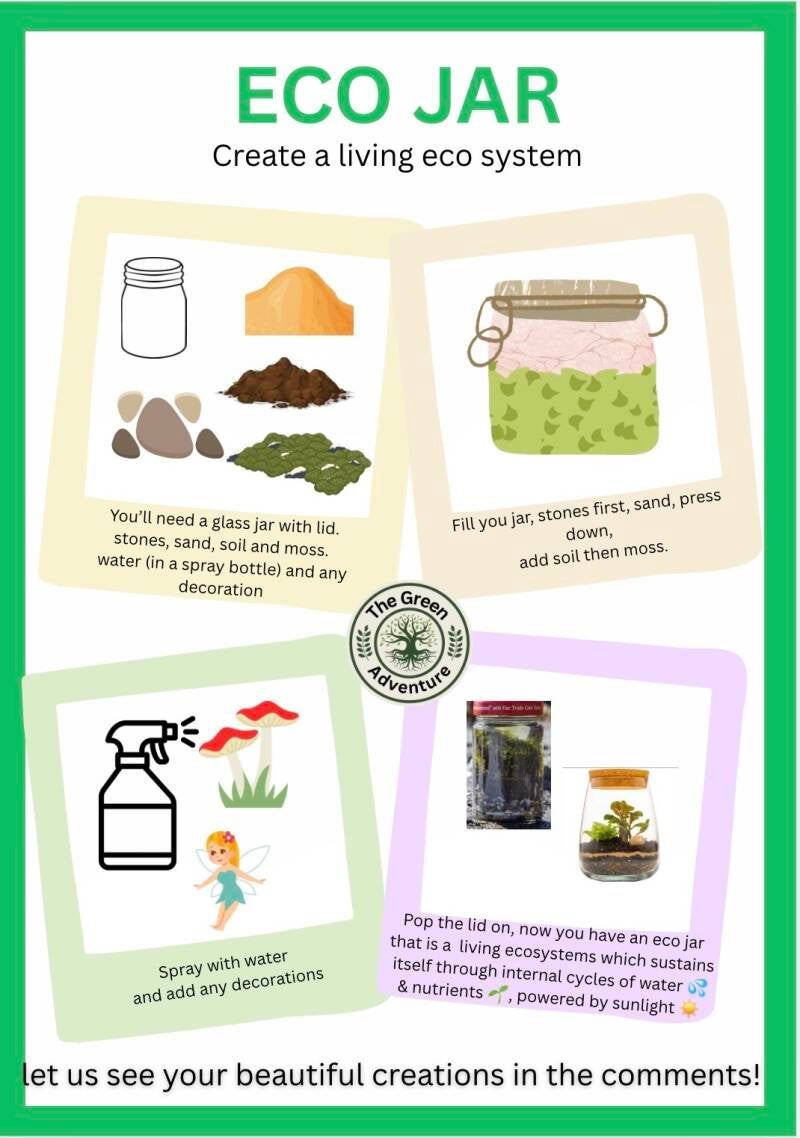
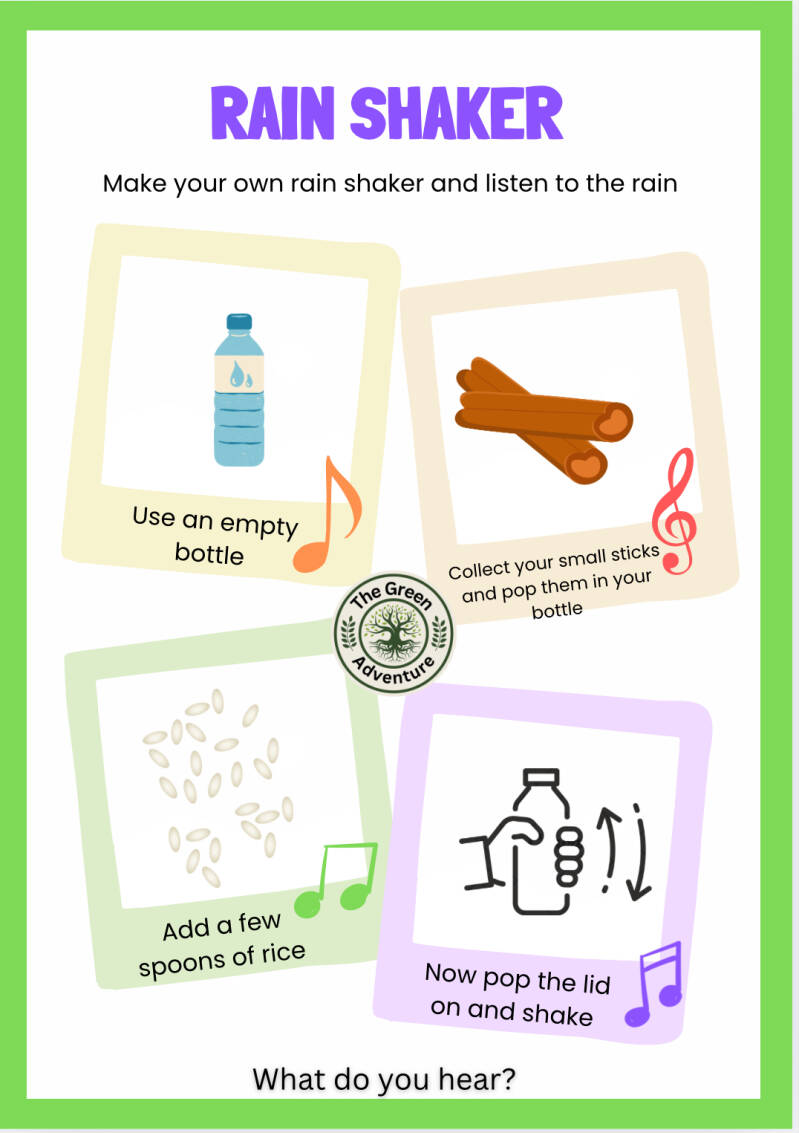
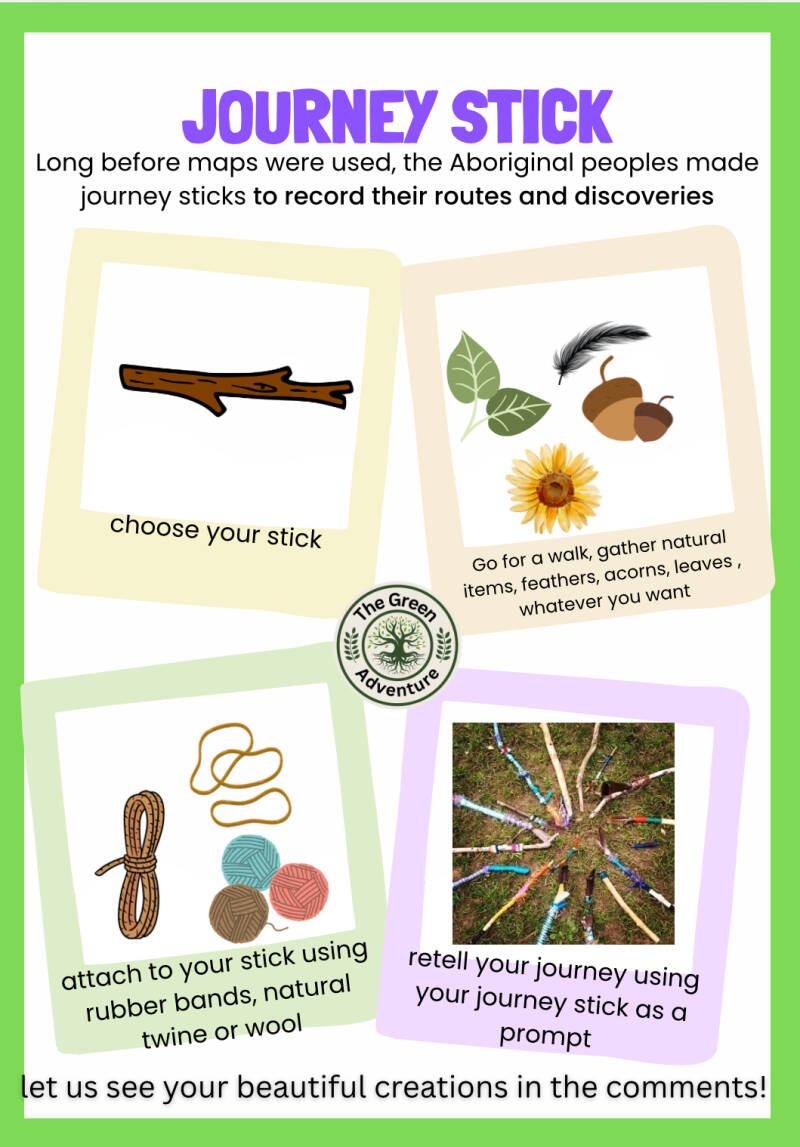
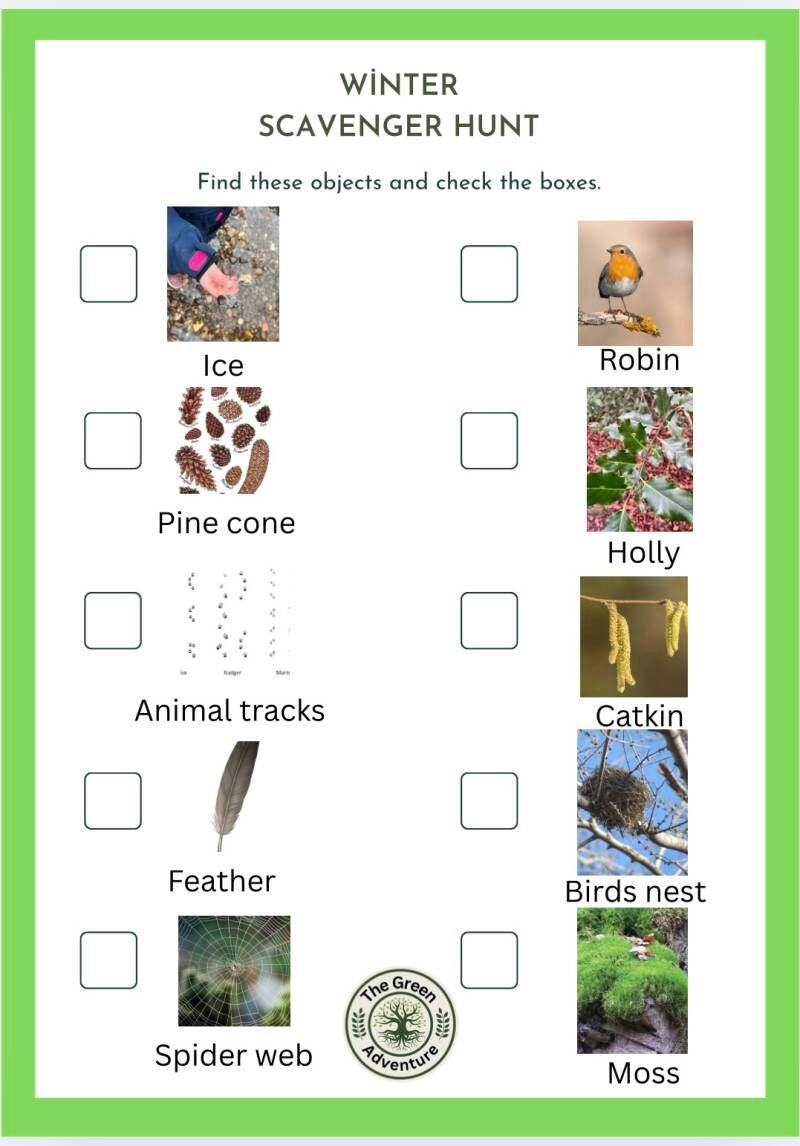
Crafty ideas for you to try at home.





Create Your Own Website With Webador